
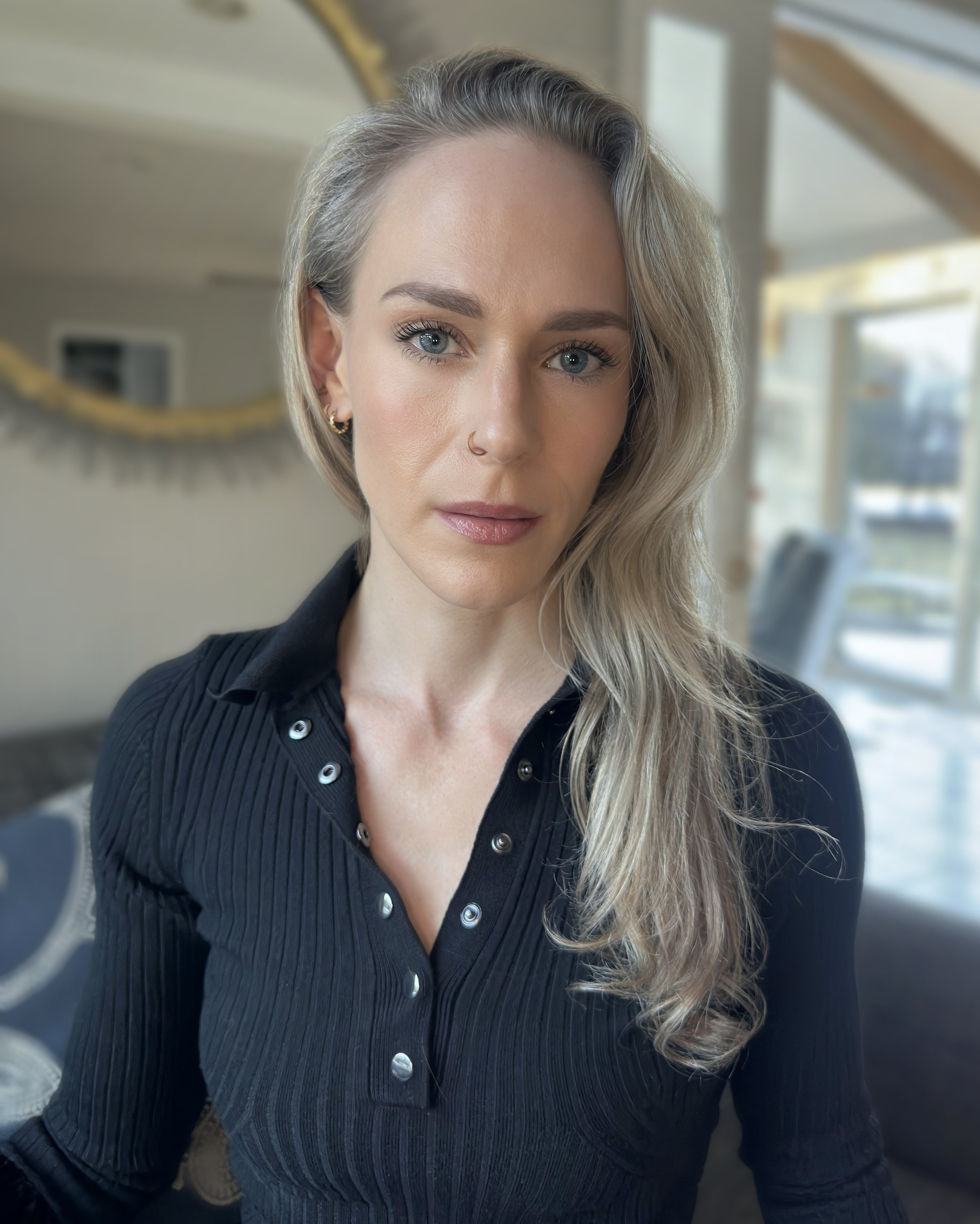
A return to yourself starts with learning to trust what you already know.
Healing is not only about understanding yourself. It is about rebuilding trust in your own instincts, reclaiming the parts of yourself you have disowned over time, and finding your way back to a life that feels more coherent, embodied, and fully your own.
My Story
Why this work?
From the outside, your life may even look successful, stable, or exactly as planned. But internally, something feels off. You feel disconnected from yourself. Exhausted from carrying too much. Unsure why insight, effort, or even years of personal work have not translated into feeling more grounded, alive, or fully yourself.
I know this terrain intimately.
My path to this work has been shaped by both professional training and lived experience.
I began in psychology, earning a B.A. in Psychology from Emory University and working in child and adolescent mental health research, where I became fascinated by the ways relationships, identity, and emotional experience shape who we become.
There are seasons of life when something no longer fits.
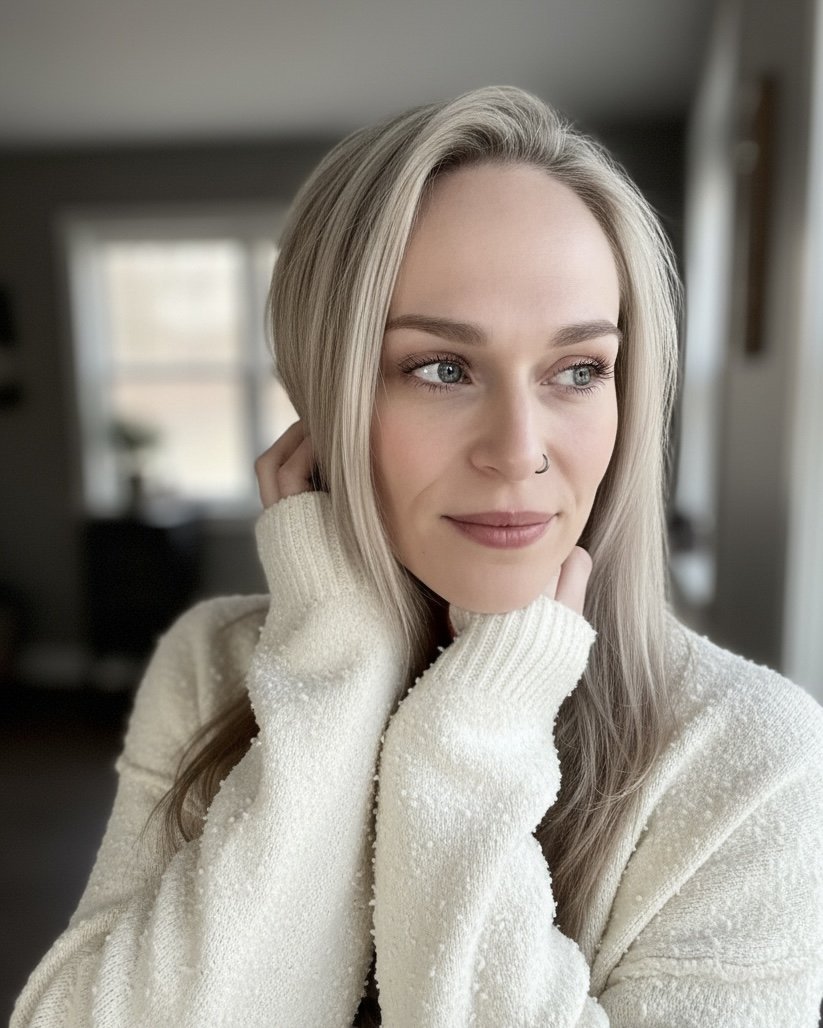
Over time, it became increasingly clear to me that insight alone does not always create change.
Many deeply intelligent, self-aware people still find themselves overriding their instincts, repeating painful patterns, or feeling disconnected from something essential.
My own experiences of rupture, divorce, single motherhood, and rebuilding my life from the ground up deepened this understanding and sharpened a question that would eventually reshape the direction of my work:
Why do deeply capable, self-aware people still struggle to trust themselves?
That question ultimately led me back to pursue additional graduate training—I am currently completing my M.A. in Integrative Psychology to weave together the threads that had long lived side by side in my life: psychology, embodiment, meaning-making, relational healing, and the reclamation of inner knowing.
Today, my work sits at the intersection of those worlds.
I specialize in working with women navigating rupture, burnout, identity shifts, grief, divorce, self-abandonment, and chronic exhaustion of over-functioning—helping them rebuild self-trust, reconnect with their instincts, and find their way back to themselves.
At the same time, I was a lifelong stage theater enthusiast and professional actor—not as a departure from psychology, but as another way of understanding embodiment, truth, and what it means to fully inhabit ourselves. I later earned an MFA in Classical Acting through George Washington University’s Academy for Classical Acting in partnership with the Shakespeare Theatre Company in Washington, D.C., where I trained deeply in voice, movement, presence, emotional truth, and relational attunement.
Alongside my performance career, I worked for many years as a teaching artist and a public speaking, interview, and writing coach, guiding individuals of all ages in developing their authentic expression.
Healing Beyond Insight

Many of the women who arrive here are already deeply insightful.
They have read the books. Reflected endlessly. Done therapy. Thought deeply about their patterns.
And yet, something still feels stuck.
Because understanding yourself and trusting yourself are not always the same thing.
This work begins with a simple but profound idea:
Healing is not only cognitive.
Sometimes the body recognizes truth long before the mind is ready to trust it.
We can intellectually know something is no longer working and still struggle to live differently.
That does not mean something is wrong with you.
Often, it means the work has not yet moved from awareness into lived experience.


What Becoming Looks Like
My approach is grounded in the belief that meaningful change happens when we begin rebuilding trust in ourselves—not through force, perfection, or endless self-improvement, but through greater honesty, embodiment, discernment, and coherence.
Sometimes that looks like:
Learning to notice what has been overridden.
Listening to the body.
Making space for grief.
Questioning inherited narratives.
Understanding relational patterns.
Remaining in partnership with yourself, especially when old ways of coping no longer fit.
A more whole person approach
Because no single lens tells the whole story, this work draws from multiple perspectives, including:
Somatic
reconnecting with the wisdom of the body, nervous system awareness, and embodied experience.
Narrative
understanding the stories we have inherited or internalized and exploring what becomes possible when those stories shift.
Relational
exploring attachment, boundaries, patterns of connection, and the ways relationships shape self-trust.
Existential
making meaning of rupture, change, uncertainty, identity, grief, and the deeper questions that emerge during transition.
Together, these approaches support not just insight, but integration. Not simply understanding yourself…
learning to trust yourself again.